

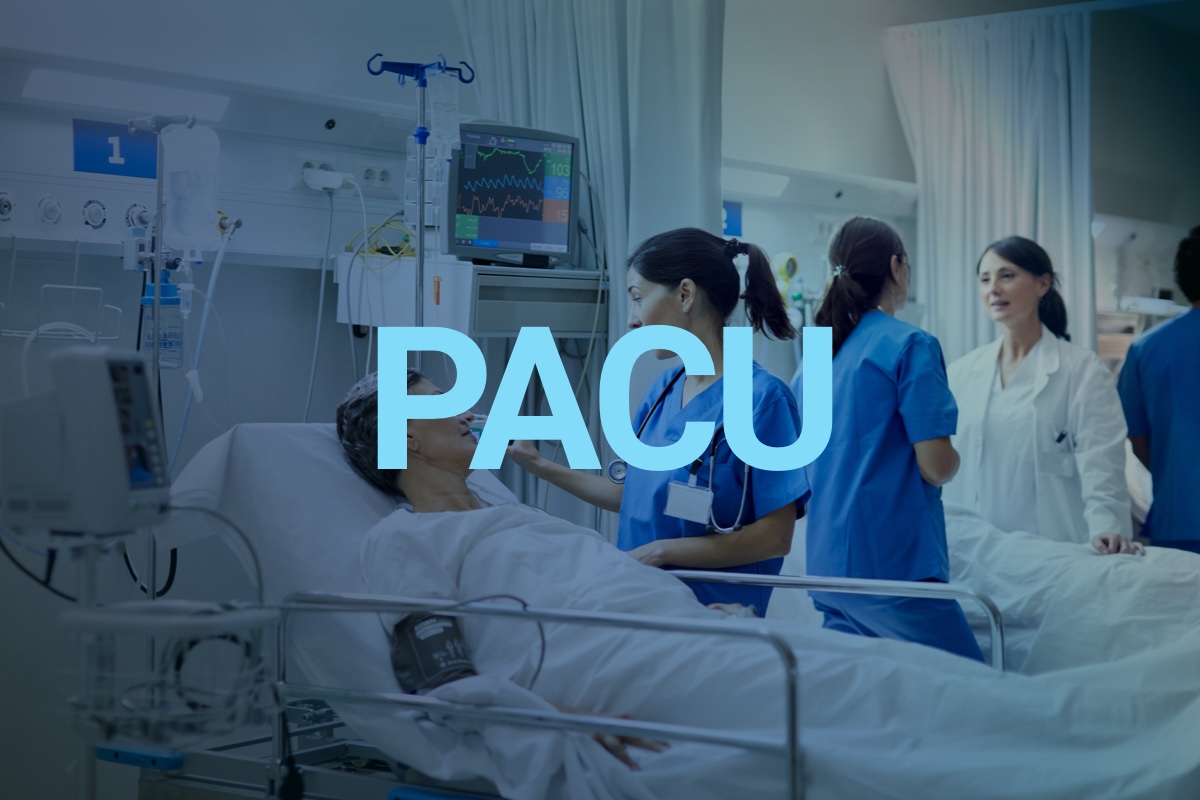
The Post-Anesthesia Care Unit (PACU) is where the immediate focus shifts from surgery to recovery. Every breath, every vital sign, every infusion matters, and nurses are the front line of defense in catching early signs of complications. Yet too often, the tools they rely on for documentation have not kept pace with the demands of modern care. Paper records, disconnected systems, and endless manual entry remain the reality in many healthcare facilities.
Hospitals are starting to replace outdated PACU workflows with integrated documentation software that connects directly to devices such as IV pumps, ventilators, and monitors. By reducing the burden of repetitive charting and ensuring data flows seamlessly across perioperative care, these systems are transforming how teams deliver post-anesthesia care.
Here are five telltale signs it might be time to rethink your PACU setup.
Why Traditional PACU Documentation Falls Short
Walk into a PACU still relying on handwritten charts or basic electronic forms, and you will see the cracks immediately.
A nurse may need to jot down ventilator settings, then turn around and typethem into a separate system. Vital signs are scribbled on paper before being re-entered into an electronic record. At every step, valuable minutes are lost, and transcription errors creep in.
This creates several challenges:
- Data re-entry that consumes time and energy
- Missing or incorrect information due to transcription errors
- A gap in continuity as patients transition from OR to PACU to post-op floors
- Higher burnout levels as staff juggle redundant charting tasks
With growing surgical volumes and tighter staffing, this model is no longer sustainable.
The Role of Device-Integrated PACU Documentation
Modern documentation systems are designed to solve these problems by pulling information directly from the devices clinicians already depend on. Instead of recording numbers by hand, data flows automatically into the patient record.
Consider a few examples:
- IV pumps automatically capture infusion rates, medication dosages, and totals
- Ventilators transmit respiratory data and oxygen levels into the chart
- Patient monitors stream vitals without the need to transcribe
- Connections to hospital systems ensure the PACU record ties seamlessly to anesthesia
documentation, lab results, and the EMR
The result is not just convenience, but accuracy and safety. Information that once required multiple
steps is now available instantly and in the right place.
How Integration Changes the PACU Experience
The benefits of integration extend beyond the software itself; they change the daily reality for the care team.
More time for patients
Instead of chasing numbers and filling in forms, nurses can devote more of their attention to monitoring airways, easing pain, and reassuring anxious families.
Improved accuracy and compliance
Every data point is captured with a timestamp and tied back to its source. This reduces documentation gaps and ensures readiness for audits from The Joint Commission or CMS.
Better clinical awareness
When trend data is visualized, clinicians can catch signs of fluid imbalance or respiratory decline sooner. Minor changes are less likely to be overlooked.
Stronger communication between teams
A complete record that flows from pre-op through PACU and onward eliminates the guesswork in handoffs. Surgeons, anesthesiologists, and recovery nurses all see the same information, improving continuity of care.
A Closer Look at Picis PACU Manager
One example of this approach is the Picis PACU Manager, which was designed specifically for the post-anesthesia care unit (PACU) environment. It integrates with IV pumps, ventilators, and monitors to capture documentation in near real time. The platform supports customizable templates, fluid and medication tracking, and interoperability with other hospital systems.
Hospitals using solutions like PACU Manager often report tangible results:
- Up to 40 percent reduction in charting time
- Fewer transcription-related errors
- Improved compliance scores
- Higher staff satisfaction and reduced burnout
These are not abstract benefits. They directly affect the nurse who can spend a few extra minutes at the bedside instead of at the keyboard, and the patient whose condition is tracked more closely because data is accurate and timely
Moving Forward
For hospitals still relying on manual charting or disconnected systems, the risks and inefficiencies are only growing. Integrated PACU documentation is not about adding another layer of technology; it is about giving clinical teams the tools to focus on patients rather than paperwork.
If your PACU team is still spending too much time entering data by hand, now is the right moment to consider what device-integrated documentation can deliver. The path to modernization begins with exploring solutions like Picis PACU Manager and understanding how they fit into your broader perioperative strategy. Care is safest when information flows without barriers. For PACU teams, the future of documentation is already here: it is accurate, automated, and designed with the patient in mind.