

In surgery, time isn’t just money; it’s patient safety, surgeon satisfaction, and staff sanity. That’s why more hospitals have implemented Operating Room (OR) flipping, a system in which a surgeon rotates among multiple ORs in a day. While one room is being cleaned and reset, the surgeon is already scrubbed in for the next case across the hall.
On paper, flipping sounds brilliant. Surgeons don’t waste block time waiting for turnovers, hospitals squeeze in more cases, and patients have their procedures done sooner. But if you’ve ever worked in an OR, you know the reality is rarely that simple.
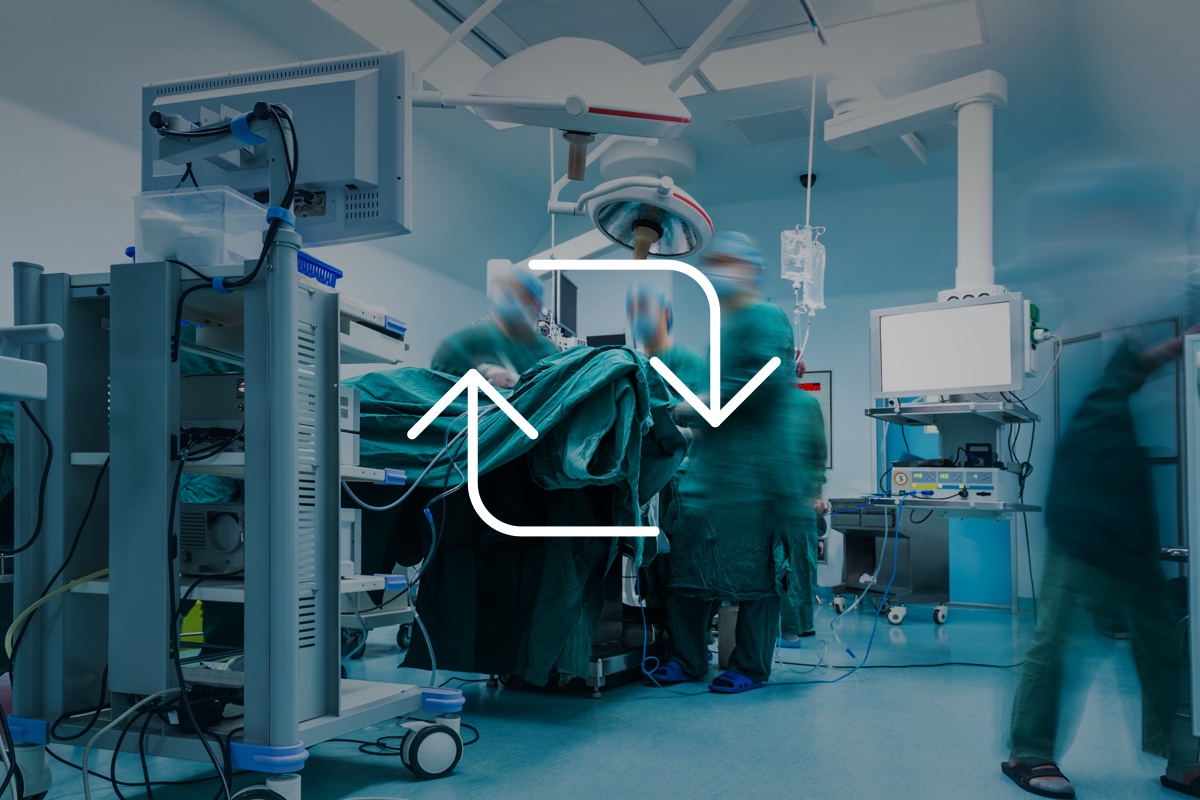
What OR Flipping Really Means
Traditionally, a surgeon works out of one OR all day. The pace rises and falls with turnovers, which can take 30–45 minutes or more, depending on the case. OR flipping changes the rhythm: the surgeon rotates between two or three rooms, leapfrogging as each case wraps up.
This model often arises when a surgeon, such as an orthopedic surgeon, is on-site only once a week. Their time is precious, their patient list is complete, and the facility wants to maximize every minute of their block. Flipping helps them fit more cases into the same day.
Why Hospitals Like the Idea
- More efficient block use. Surgeons squeeze everything out of their limited schedules.
- Revenue boost. More cases on the schedule often mean more dollars coming in.
- Patient access. A surgeon doing six joints instead of four means fewer patients waiting months for care.
But It’s Not All Smooth Sailing
- Timing is unforgiving. If Room 1 isn’t cleaned before the surgeon leaves Room 2, the whole day backs up.
- Costs can creep in. Yes, flipping might increase revenue, but the added staffing, supplies, and wear on equipment can eat into those gains.
Turnover: The Real Bottleneck
Ask anyone in perioperative services what slows things down, and turnover is usually the first word out of their mouth. Resetting an OR after a major case isn’t just swapping out sheets, it’s:
- Full disinfection
- Disposal of biohazards
- Restocking sterile trays
- Equipment checks
- Safety verification
Even the fastest teams can only move so quickly without cutting corners. With flipping, turnovers often happen while surgeries are still underway nearby, making communication even more critical.
That’s why coordination tools are vital. With platforms like Picis SmarTrack Next, staff can see when a room is ready, when a patient is prepped, and whether there’s a risk of delay. Everyone stays in sync from pre-op to PACU, so the flipping cycle doesn’t grind to a halt.
Safety and Standards Still Matter
Moving faster doesn’t mean ignoring infection control, accreditation standards, or documentation. OR flipping still must meet the same safety checks as any other workflow, and it should be vetted through clinical governance before going live.
What’s Next?
So, is OR flipping a smart move or a logistical nightmare? Honestly, it depends. In some hospitals, it’s a lifesaver; in others, it’s a stress multiplier.
In Part 2, we’ll dive into the economics of flipping, look at where it makes the most sense, and walk through an example of how a visiting surgeon used it to boost both throughput and patient access.
As health systems everywhere seek ways to improve outcomes while supporting clinicians, Saskatchewan’s initiative stands as a clear example of how thoughtful investment in integrated perioperative platforms can deliver meaningful benefits for patients, providers, and the healthcare system. More details from the Government of Saskatchewan: Here